




Blog
Biofilm in the cellar: microbiological risk and solutions for deep cleaning surfaces

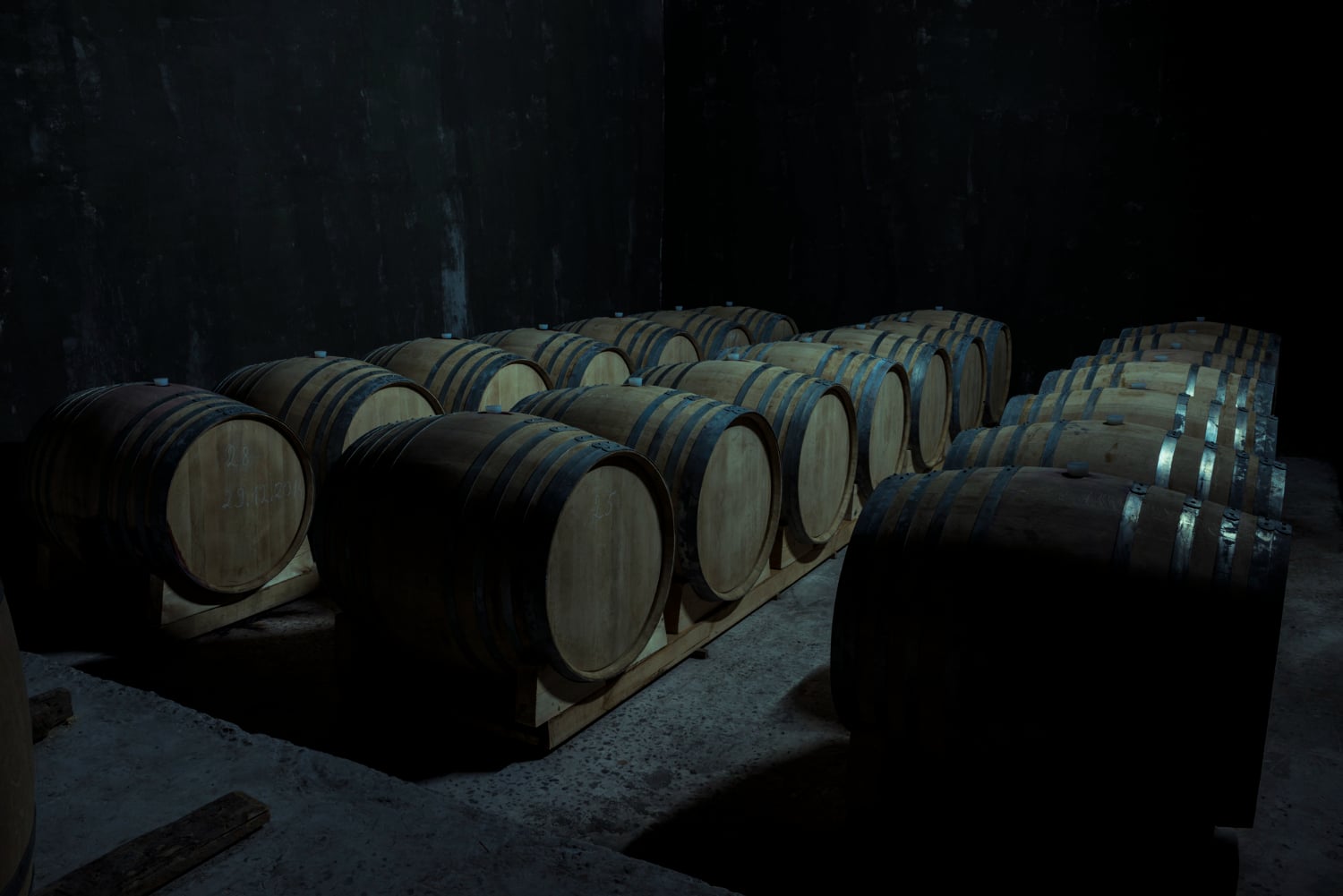
Il biofilm in the cellar It represents one of the most insidious critical issues for the quality of wine and the safety of production environments. These are aggregates of microorganisms that adhere to surfaces such as stainless steel, plastic, rubber, or wood, covered by a protective polymer matrix. This natural defense system makes the biofilm in the cellar It resists standard cleaning and sanitizing treatments, posing a serious microbiological problem for wineries. The risk not only concerns wine contamination, but also compromises the microbiological stability of the entire cellar.
Content index
Biofilm formation and resistance in the cellar
Biofilm forms when bacteria, yeasts, or fungi find favorable conditions to adhere to a surface and begin producing a protective matrix of polysaccharides, proteins, and extracellular DNA. In the cellar, this easily occurs in humid, poorly ventilated areas, or in areas with difficult-to-clean microcracks. Porous surfaces, such as wood or rubber gaskets, are particularly vulnerable, but even stainless steel, if not properly maintained, can become a substrate for biofilm development.
The danger of biofilm lies in its ability to resist common sanitizing agents: microorganisms encapsulated in the matrix can survive treatments that would normally eliminate free flora (planktonic). Furthermore, genetic exchanges between microorganisms occur within the biofilm, which can acquire cross-resistance and increase their survival capacity. In the winemaking industry, this translates into the spread of spoilage strains such as Brettanomyces, acetobacter, Pediococcus e Lactobacillus, capable of profoundly altering the sensory characteristics of the wine.
Critical surfaces and hidden points
The areas of the cellar most exposed to the risk of formation of biofilm in the cellar There are many factors that are often overlooked. These include tank valves, pipe connections, transfer pumps, filters, bottling lines, and barrel heads. Floors, drains, and the interior surfaces of vats, especially if made of wood, also represent an ideal environment for biofilms to settle.
Routine cleaning often fails to reach these hidden or difficult-to-access spots. Furthermore, biofilm can quickly reform after each sanitization cycle if microbial colonies are not completely eliminated. It's essential to distinguish between detergency (mechanical removal of dirt) and sanitization (reduction of microbial load): biofilm requires both processes, performed with specific methods and products.
Brushing, high-pressure jets, or alkaline detergents aren't always enough. It's necessary to work deeply with professional formulas that can penetrate the biofilm's protective matrix and break down its structure.
Professional solutions for eliminating biofilm in the cellar
To effectively counteract the biofilm in the cellar, Alea Evolution offers a complete range of professional cleaners e biotechnological solutions Suitable for deep cleaning and sanitizing surfaces. The key is the synergistic use of enzymatic detergents, specific sanitizers, and targeted intervention protocols. Products based on non-ionic surfactants, chelators, and oxidizing agents can attack the biofilm matrix, facilitating its mechanical removal.
An effective cycle includes:
- Mechanical prewash: removal of coarse dirt with high-pressure hot water.
- Cleansing treatment: use of alkaline or enzymatic products to dissolve fats, proteins and sugars.
- Thorough rinsing: elimination of detergent residues.
- Deep sanitization: application of specific disinfectant products for biofilms, such as stabilized hydrogen peroxide or peracetic acid, with prolonged contact time.
- Microbiological control: monitoring via swabs or plates to verify the effectiveness of the intervention.
Furthermore, the use of specific enzymes It can accelerate the degradation of the biofilm matrix, allowing for complete removal without the use of overly aggressive substances. This solution is particularly suitable for sensitive surfaces such as wooden barrels or gaskets.
Alea Evolution, thanks to its technical expertise and extensive product catalogue, is able to offer customized protocols for biofilm management, supporting cellar technicians with specialized consultancy and operational support.
Long-term control and prevention
Delete the biofilm in the cellar This is just the first step. To ensure consistent hygienic conditions, it is essential to adopt prevention strategies. An effective approach includes:
- Customized cleaning and sanitization plans, drawn up based on the type of equipment and the frequency of processing.
- Staff training, so that you can recognize the signs of biofilm formation and correctly apply hygiene protocols.
- Regular inspections with the aid of tools such as UV lamps or rapid tests for the detection of microbial load.
- Scheduled maintenance of gaskets, valves, pipes and mobile equipment, which are often the main breeding grounds for biofilms.
Use of antibacterial materials or treated with non-stick coatings, where possible.
Constant monitoring is essential. The presence of biofilms can go unnoticed by the human eye, but the consequences manifest themselves in wine defects, abnormal fermentations, and production recalls. For this reason, many modern wineries adopt an integrated approach that combines chemistry, biotechnology, and microbiological analysis.
Deep cleaning for guaranteed wine quality
Il biofilm in the cellar It is a silent but extremely aggressive enemy. Its presence jeopardizes the microbiological integrity of the wine and the company's reputation. Intervening promptly and systematically, with effective solutions and qualified technical support, is the smartest choice for maintaining high quality standards.
Alea Evolution, an Italian company founded by two experienced winemakers, is a reliable partner for all wineries seeking to optimize cellar hygiene with safe, sustainable, and scientifically validated technologies. Biofilm removal and prevention require a thorough understanding of surfaces, microorganisms, and cleaning processes.
Investing in deep cleaning means preserving the typicality of the wine, avoiding production waste and ensure food safety at every stage of winemaking.